Give cleansing a clear purpose
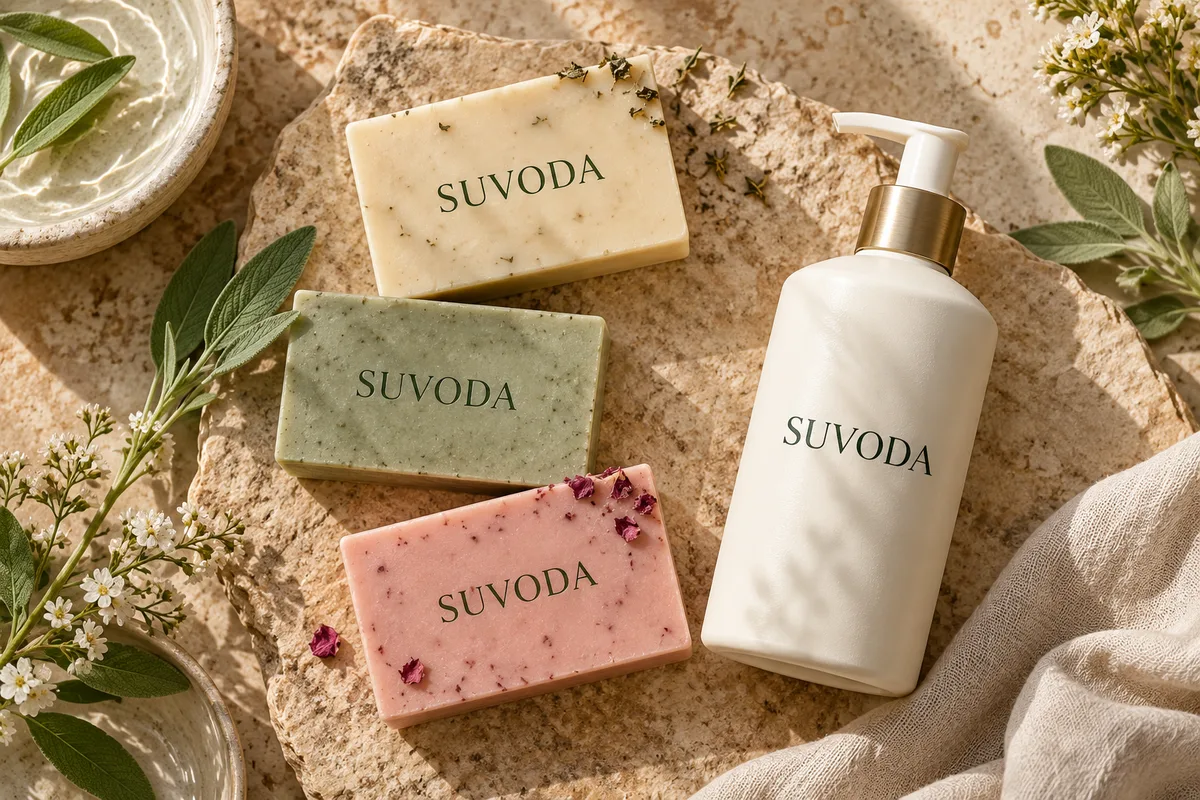
Everyday cleansing has a practical job: helping you wash away the things you want to remove during a normal routine. It does not need to become a complicated ritual with many products and repeated steps. Decide what you need from the wash in front of you, choose a product intended for that use, and follow its directions. A handwashing moment at the sink is different from a shower after a long day. Giving each step a simple purpose can help you avoid adding products just because the packaging looks coordinated or a new routine appears in your feed.
Let comfort guide the experience
Pay attention to how an ordinary routine feels during and after use. A product that a friend enjoys may not be your personal favorite. Texture, scent, rinsing, water temperature, and the length of your shower all contribute to that experience. Try changing one nonessential habit at a time so you can notice what works for you. Avoid using a stronger sensation as proof that a product has done a better job. Cleansing does not need to feel dramatic. A calm, manageable routine is often more useful than a complicated one that you do not enjoy repeating each day.
Keep technique straightforward
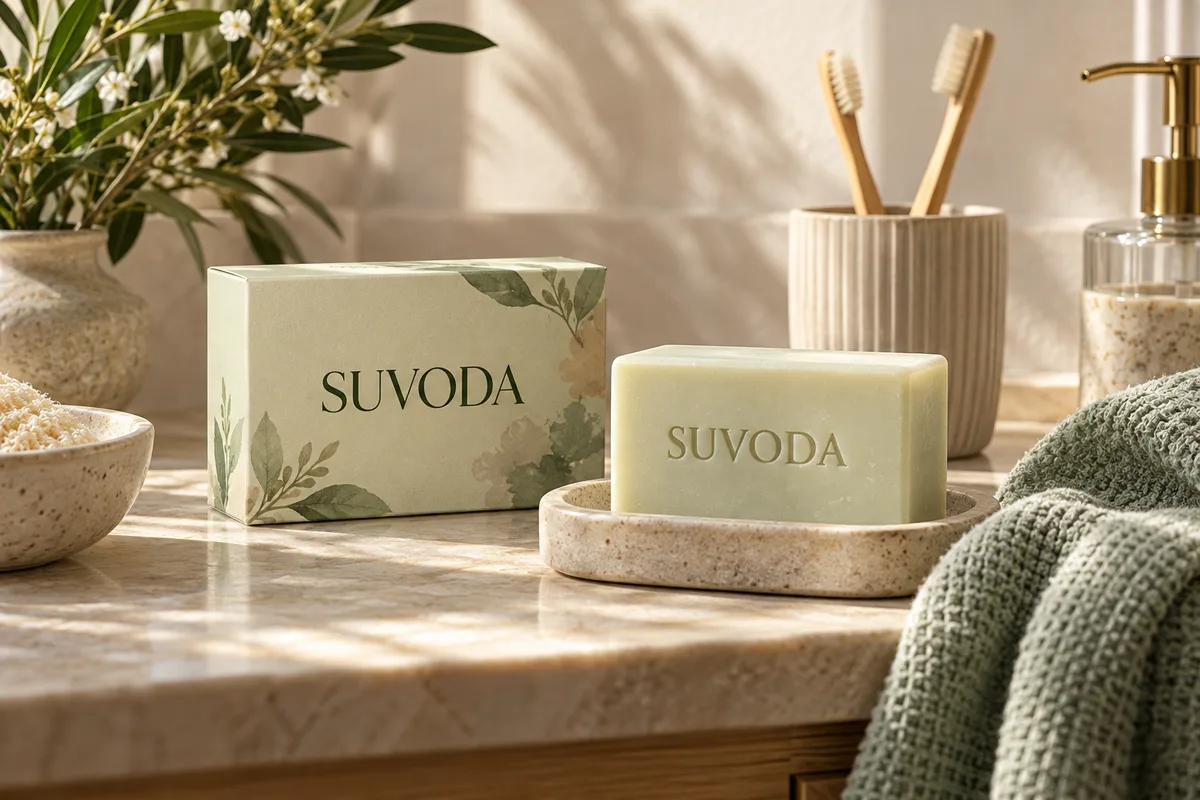
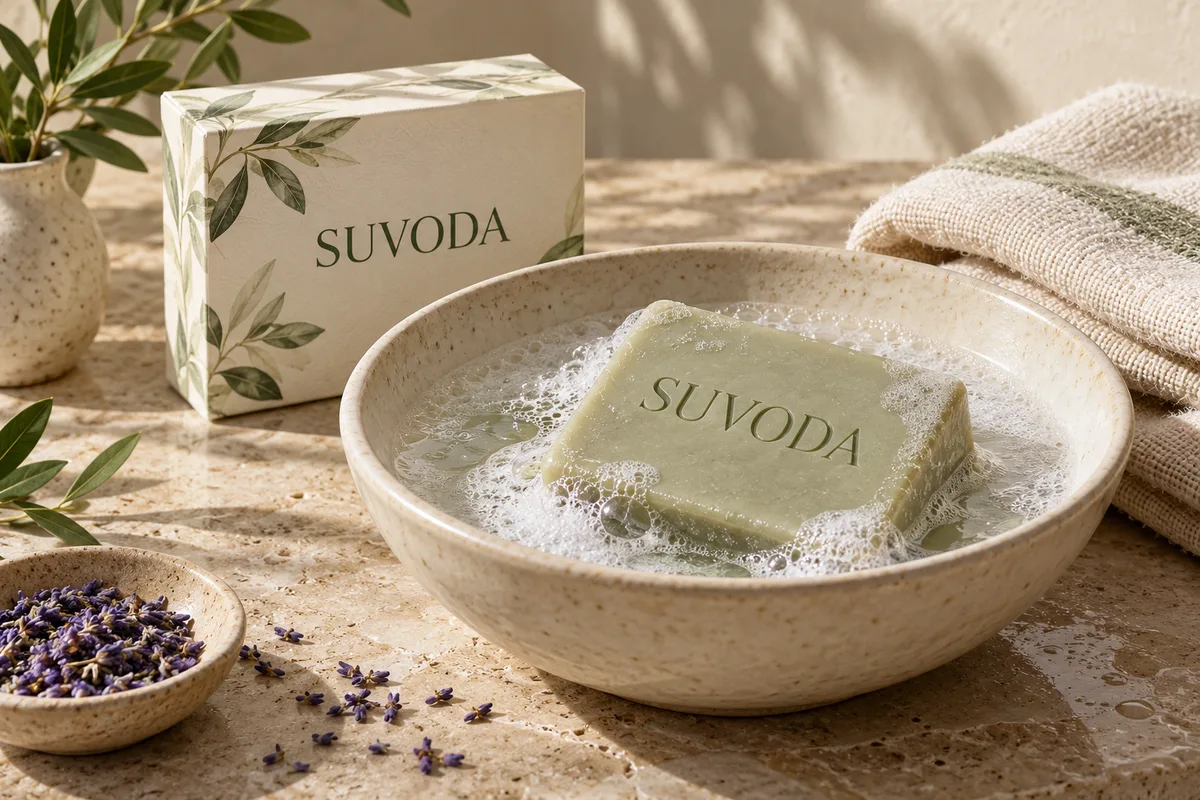
Use the product as directed instead of assuming more product, more rubbing, or more time will improve the result. Work with a comfortable amount, rinse as instructed, and treat washcloths and other tools with the same care you give the cleanser. Follow the label if it differs from your usual habit. Keep the product away from areas excluded by its directions. Small practical details make an everyday routine easier to repeat: a reachable towel, a stable soap dish, and space around the sink. The goal is a deliberate wash that fits your day without unnecessary friction or extra steps.
Read beyond the front of the bottle
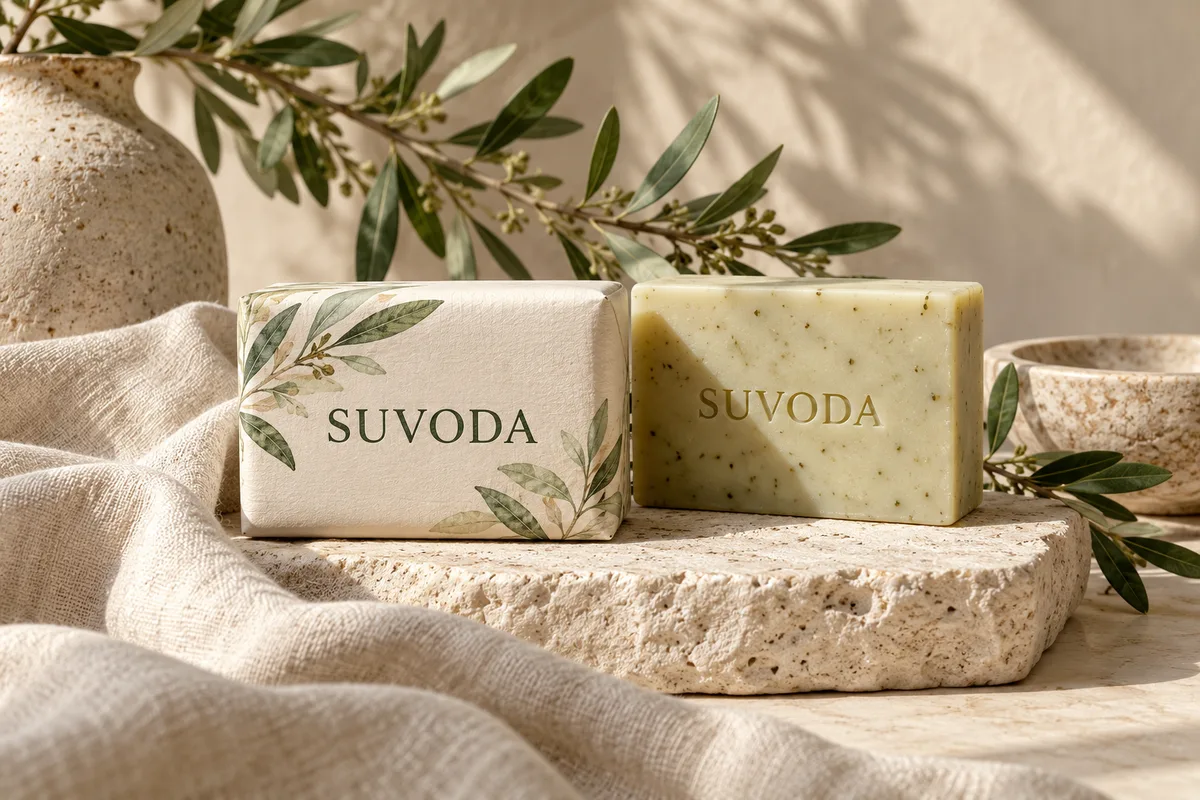
The front label usually communicates the brand and the product direction. The complete label provides more useful information for deciding whether the item fits your preferences. Look for intended use, the ingredient list, warnings, and any specific instructions. Words such as gentle or comforting should not replace those details. If you are avoiding a particular ingredient, ask for the exact current list before deciding. A botanical illustration or a pale package does not establish what a formula contains. Keep a record of information you have checked so future choices can be based on actual details instead of visual associations.
Consider your fragrance preferences
For some people, a familiar scent makes a daily wash more enjoyable. Others prefer products without added fragrance. Neither preference needs an elaborate explanation. Consider how frequently you use the item, whether it is shared, and whether other scents are already present in the room. Fragrance descriptions often describe an impression rather than the complete formulation. If you prefer no added fragrance, confirm that detail directly. Do not assume a product is fragrance-free because it smells subtle or has a quiet name. Our collection directions make browsing easier, while final product information remains the basis for a considered decision.
Build a routine you can maintain
A routine has to fit real days, including the mornings when you are in a hurry and the evenings when you want fewer decisions. Place essentials where they are easy to reach and keep the sequence understandable. You may prefer one body cleanser and a separate hand soap, rather than a shelf of overlapping products. Introduce something new thoughtfully and keep the instructions available. A collection of beautiful bottles can be appealing, but usefulness matters more than quantity. Choose a small number of steps that you understand and can repeat, and review the routine when your needs or preferences change.
Make the space work for you
A practical bathroom can support a calmer experience without a full redesign. Clear a little space around the basin, provide a clean towel, and use a draining dish for an opened bar. Avoid storing products where they will sit in standing water or receive constant spray. Keep unopened items according to their label directions. Shared spaces benefit from simple organization so everyone knows which item to use and where it belongs. The same principles work in a small room or a large one. Careful placement can make an ordinary daily habit feel more intentional without adding products or decorative clutter.
Avoid turning preferences into promises
An ingredient name, product category, or pleasant experience is not proof of a guaranteed result. Be cautious about broad claims that seem to apply to everyone. Your own requirements should shape the questions you ask before ordering. If something in your routine causes a concern, stop using it and seek appropriate guidance rather than trying to solve the issue by adding more products. This article offers general everyday information, not a personal assessment. SUVODA does not claim clinical results for the collection directions shown here. Clear information and sensible expectations are more useful than promises that a product description cannot support.
Take the next step with clear information
Look at the products you already use and identify what you would like to keep or simplify. Perhaps you want a more convenient format, a quieter fragrance direction, or a bar that fits your existing dish. Browse the Hand Soap, Body Soap, and Sensitive Skin collections with those priorities in mind. Request the final label, intended use, and amount for a specific item before ordering. You do not have to change everything at once. A well-considered next step might be one item and a small adjustment to how you organize the sink. Simple care begins with choices you understand.
Explore the SUVODA collection or ask a product question. This is general everyday information; the final product label and intended-use directions should guide your choice.